
Bombay House – Indian cooking and curry culture in the UK
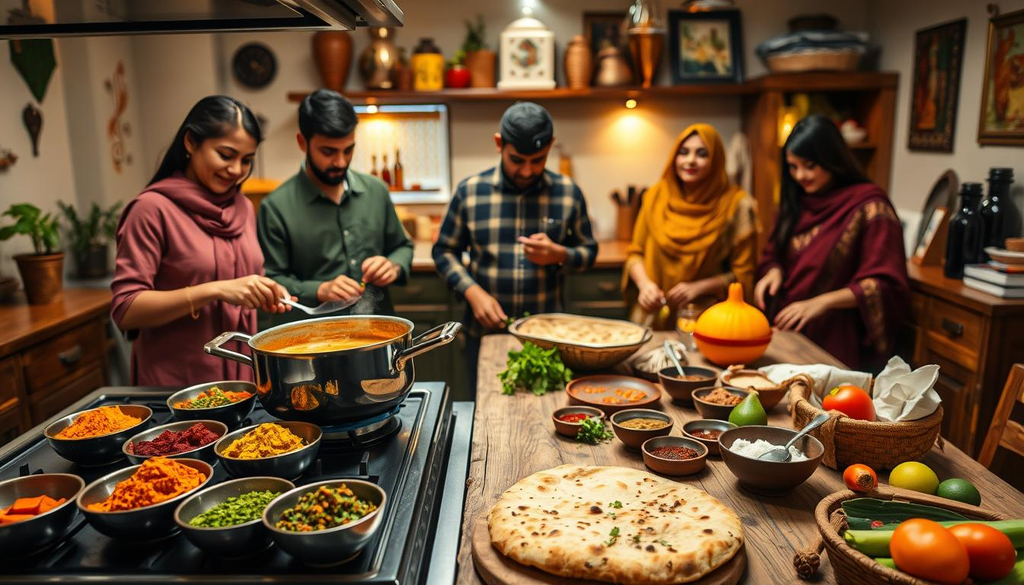
Welcome to Bombay House, your home for genuine curry culture here in Britain.
Every dish we serve carries the warmth and passion of Bombay’s vibrant food scene. We built our kitchen on treasured family recipes and the lively spirit of busy street stalls. From Bombay’s spice markets to British dining tables, our journey has been one of passion and discovery.
Our mission is simple: bring authentic Indian flavours into homes and restaurants across the country. We believe real curry culture deserves to be understood, not just enjoyed.
Throughout this article, we’ll share our story, from humble beginnings to becoming a trusted voice on genuine cuisine. You’ll discover the history behind our recipes, the spices that define our dishes, and the techniques we use to create authentic taste.
Whether you’re a curry enthusiast or simply curious about bold, aromatic food, we invite you to explore what makes Bombay House special.
Our Story at Bombay House
Long before Bombay House opened its doors, our founders were already chasing the perfect bowl of dal across Mumbai’s back streets. They grew up in kitchens filled with the smell of roasting cumin and simmering onions. Those early mornings, watching grandmothers grind spices by hand, shaped everything we do today.
Our journey into Indian cooking UK diners now recognise began with a simple question. Why should authentic flavours be lost once a recipe crosses borders? We refused to accept bland, anglicised versions of dishes we loved.
Years of travel through India’s busiest markets taught us more than any cookbook could. We tasted street food in Bombay, learned regional techniques in Punjab, and studied slow-cooked curries in Hyderabad. Each city added a new layer to our understanding of spice and flavour.
When we finally settled in Britain, we carried those lessons with us. We wanted to share real Indian cooking UK families could trust, not a diluted imitation. Every recipe we serve pays tribute to the hands that taught us.
| Milestone | Location | Lesson Learned |
|---|---|---|
| Childhood kitchens | Mumbai | Foundations of spice blending |
| Market travels | Punjab and Hyderabad | Regional cooking techniques |
| Opening Bombay House | United Kingdom | Sharing authentic recipes with new audiences |
Authenticity remains our guiding value. We source quality ingredients, respect traditional methods, and avoid shortcuts that compromise flavour. Every dish reflects a promise we made to ourselves years ago.
We built Bombay House not just as a restaurant, but as a bridge between two homes. Through every plate, we hope you taste the warmth, patience, and pride behind genuine Indian cooking UK communities have grown to love.
The Rich History of Indian Cooking UK
Long before curry became Britain’s favourite dish, a quiet revolution was brewing along the docks of London and Liverpool.
Spices, sailors and stories crossed oceans together, shaping the way we eat today. This journey explains why Indian cooking UK traditions feel so deeply woven into British culture, and how curry recipes became part of everyday life.
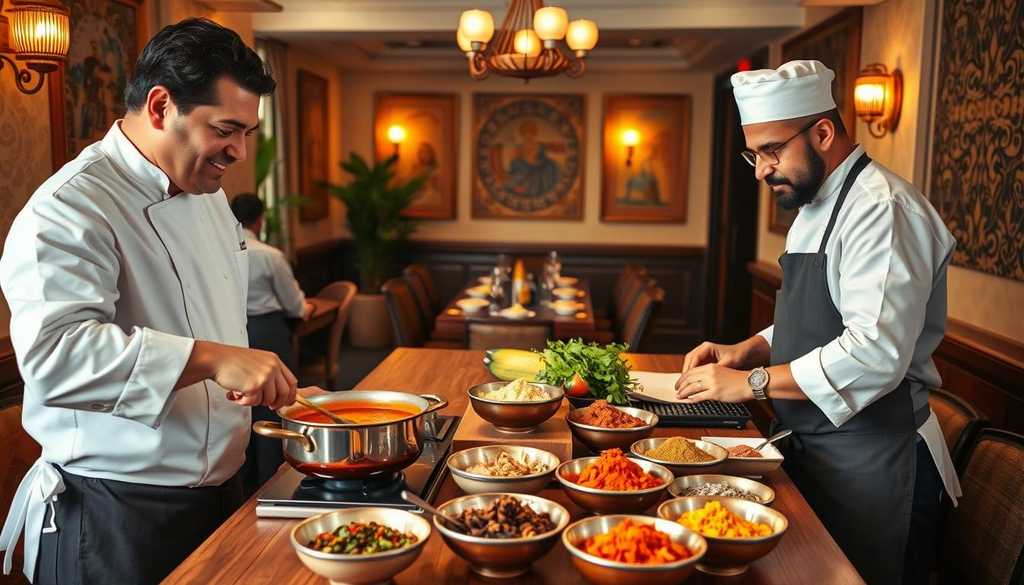
Early Indian Immigration and Food Trade
During the eighteenth century, the East India Company brought more than tea and textiles back to British shores. Indian sailors, known as lascars, worked aboard trading ships and often settled in port cities once their voyages ended.
Many of these men cooked for themselves using spices carried from home, introducing flavours British communities had never tasted before. Some opened modest eating houses near the docks, serving rice and spiced stews to fellow sailors and curious locals alike.
One of the earliest known establishments, the Hindoostane Coffee House, opened in London back in 1810. It offered genuine Indian cooking UK diners could enjoy, complete with hookah pipes and authentic spiced dishes.
These early ventures laid the groundwork for a culinary tradition that would eventually capture the nation’s heart.
How British Palates Embraced Curry
Curiosity turned into genuine fondness as more British families encountered spiced dishes brought home by colonial officials returning from India. Many had developed a taste for curry during their time abroad and wanted to recreate it once settled back home.
Cookbooks from the Victorian era began featuring curry recipes alongside traditional British fare, proof that spiced cooking had found its way into ordinary kitchens. Queen Victoria herself reportedly enjoyed curry regularly, which only encouraged wider acceptance among the upper classes.
By the early twentieth century, curry houses started appearing across major British cities, offering affordable and flavourful meals to the working class. Post-war immigration brought fresh waves of talented cooks who refined and expanded the nation’s growing appetite for spice.
Today, curry stands proudly as one of Britain’s most-loved culinary exports, a testament to centuries of cultural exchange and shared taste.
Exploring Bombay Street Food Culture
Long before we opened our doors, the lively chaos of Bombay’s street food stalls shaped our love for bold, honest flavours. Mumbai’s pavements buzz with vendors calling out to passers-by, pans sizzling with mustard seeds and curry leaves. We wanted to bring that same spirit into our kitchen, turning humble roadside recipes into dishes we’re proud to serve.
Street food in Mumbai isn’t fancy. It’s quick, affordable, and bursting with flavour, which is exactly why it has such a loyal following across generations. These are the dishes that locals grab on their way to work or share with friends after a long day.
Vada Pav and Pav Bhaji
Vada Pav often gets called the “Bombay burger,” and it’s easy to see why. A spiced potato fritter sits inside a soft bread roll, usually finished with a smear of garlic chutney and a few fried green chillies on the side.
It started as cheap, filling food for mill workers in the 1960s and quickly became a city staple. Today, you’ll find it sold from carts on nearly every street corner in Mumbai.
Pav Bhaji tells a similar story. Mixed vegetables get mashed together with butter and a blend of warming spices, then served alongside toasted bread rolls. It’s rich, comforting, and simple to eat on the go.
Both dishes remain firm favourites on our menu because they capture that same sense of warmth and nostalgia we grew up with.
Chaat and Pani Puri Favourites
Chaat is where Bombay street food truly shows off its playful side. Crunchy, tangy, and often a little sweet, these small plates mix textures and flavours in ways that keep you reaching for more.
Pani Puri might be the most famous of them all. Crisp hollow shells get filled with spiced potato, tangy tamarind water, and a splash of mint chutney, then eaten in one satisfying bite.
The joy lies in the contrast: crunchy shell, cool liquid, and a hit of spice all at once. We’ve worked hard to recreate that same burst of flavour for our customers here in the UK, using fresh ingredients and traditional recipes passed down through generations.
Whether you’re new to chaat or already a fan, these street classics offer a taste of Mumbai’s energy on every plate.
The Essential Indian Spices We Use
Walk into our kitchen at any hour, and you’ll notice the warm scent of toasted spices filling the air. This aroma forms the foundation of our cooking, and it’s the reason every dish we serve carries genuine depth. Indian spices do more than add heat or colour.
They build layers of flavour that define each curry, marinade, and simmering sauce. We treat these ingredients with care, understanding that quality spices separate an average meal from an unforgettable one.
Building Blocks of Flavour
Cumin and coriander sit at the centre of nearly every dish we prepare. Toasted briefly before grinding, these seeds release warm, earthy oils that form the backbone of our curries.
Turmeric follows close behind, lending its golden hue and gentle bitterness to dals, curries, and rice dishes alike. We use it sparingly, allowing its earthy character to support rather than overpower other flavours.
Cardamom and cloves bring warmth and subtle sweetness, often reserved for richer dishes like biryanis or slow-cooked meat curries. Their fragrant oils linger on the palate, adding complexity that develops the longer a dish simmers.
| Spice | Flavour Profile | Common Use |
|---|---|---|
| Cumin | Earthy, warm | Tempering, curry bases |
| Coriander | Citrusy, mild | Masala blends |
| Turmeric | Earthy, slightly bitter | Colour, dals, curries |
| Cardamom | Sweet, floral | Biryanis, desserts |
| Cloves | Warm, pungent | Rich sauces, rice dishes |
Blending Masalas the Traditional Way
Pre-made spice blends save time, but they rarely match the depth of a masala ground fresh that morning. In our kitchen, we follow methods passed down through generations, roasting whole spices in small batches before grinding them by hand.
This process releases essential oils that pre-ground powders lose within weeks of packaging. The result carries noticeably more aroma and complexity, qualities that define authentic Indian cooking.
Garam masala, for instance, changes slightly from batch to batch depending on the dish it’s meant to season. A biryani calls for a warmer, sweeter blend, while a vegetable curry benefits from a lighter touch of pepper and coriander.
We believe this attention to detail honours the traditions behind Indian spices and gives every dish its distinctive character. It’s a small step that makes a considerable difference in flavour.
The Rise of the British Curry House
Behind every British curry house lies a story of courage, hard work, and culinary invention. We find it remarkable how a cuisine from South Asia became woven so deeply into Britain’s everyday life. This transformation didn’t happen overnight. It grew through decades of perseverance, community spirit, and a genuine willingness to blend tradition with local taste.
From Bangladeshi Pioneers to National Icon
The story of the British curry house begins largely with Bangladeshi immigrants who arrived in the UK from the 1950s onwards. Many came from the Sylhet region, bringing with them culinary knowledge passed down through generations.
These pioneers opened small restaurants on high streets across the country, often working long hours under difficult conditions. They faced prejudice and financial hardship, yet they persisted, gradually introducing British diners to the warmth of Indian-inspired cooking.
By the 1970s and 1980s, curry houses had become fixtures of British towns and cities. We owe much of our modern curry culture to these determined families who turned small takeaways into beloved institutions, shaping how an entire nation came to enjoy spice.
The Beloved Chicken Tikka Masala
No dish represents the British curry house quite like Chicken Tikka Masala. Its exact origins remain debated, with several British-Bangladeshi chefs claiming credit for its invention during the latter half of the twentieth century.
The dish likely emerged from a desire to please British palates accustomed to creamy, mild sauces rather than drier, spice-forward preparations. Tender tandoori chicken bathed in a rich tomato and cream sauce struck the perfect balance.
We see Chicken Tikka Masala as a true symbol of culinary fusion. It blends Indian technique with distinctly British preferences, earning its reputation as the nation’s favourite dish. Today, it remains a cornerstone of the British curry house menu, loved by generations who continue to seek comfort in its familiar, fragrant warmth.
Our Signature Curry Recipes
Our menu holds hundreds of dishes, but three curries keep customers coming back week after week.
These curry recipes represent the heart of Bombay House. Each one reflects a different region of India, yet all share the same dedication to balanced spice and honest cooking. We’ve refined these recipes over many years, listening to feedback and staying true to traditional methods.
Below, we share what makes each dish special and why diners return to them time and again.
Butter Chicken
Butter Chicken remains our most requested dish, and it’s easy to understand why. We marinate tender chicken pieces in yoghurt and spices, then grill them before simmering in a velvety tomato-based sauce.
Cream and butter give the sauce its signature richness. A touch of kasuri methi, dried fenugreek leaves, adds a subtle earthiness that sets our version apart.
We balance warmth from garam masala with gentle sweetness from the tomatoes. The result is comforting, mild enough for newcomers, yet full of depth for seasoned curry lovers. It’s the dish we recommend most often to first-time visitors.
Rogan Josh
Rogan Josh carries the soul of Kashmir in every spoonful. We prepare this lamb curry using a traditional blend that includes Kashmiri chillies, prized for their deep red colour rather than extreme heat.
Our lamb cooks slowly, absorbing warming spices like cardamom, cloves, and bay leaves throughout the process. This gentle cooking method keeps the meat tender while allowing flavours to develop fully.
The fragrant aroma alone sets expectations high before the first bite arrives. Many guests tell us this dish reminds them of family recipes passed down through generations. We take that comparison as the highest compliment our kitchen can receive.
Vegetable Korma
Not every curry needs intense heat to deliver satisfaction. Our Vegetable Korma proves that point beautifully, offering a creamy, mildly spiced option for those seeking comfort over fire.
We blend cashew paste with coconut milk to create a luxuriously smooth base. Seasonal vegetables simmer gently within this sauce, soaking up subtle notes of cardamom and coriander.
This dish caters wonderfully to vegetarian diners and anyone easing into Indian flavours. It demonstrates our commitment to serving diverse palates without compromising on authenticity or taste.
| Dish | Origin | Spice Level | Key Ingredients |
|---|---|---|---|
| Butter Chicken | Punjab | Mild to Medium | Chicken, tomato, cream, kasuri methi |
| Rogan Josh | Kashmir | Medium | Lamb, Kashmiri chillies, cardamom, cloves |
| Vegetable Korma | Mughal | Mild | Mixed vegetables, cashew paste, coconut milk |
Cooking Techniques That Define Our Kitchen
Behind every bowl of curry we serve lies a set of cooking methods refined over generations. These are the techniques that separate quick approximations from true Indian cooking UK diners deserve. Each method demands patience, practice, and a deep respect for Indian spices and how they behave under heat.
We don’t rush our process. Every step, from blooming spices to slow simmering, adds depth that cannot be faked or hurried.
Tempering and Tadka
Tadka is where flavour truly begins. We heat oil or ghee until it shimmers, then add whole spices like cumin seeds, mustard seeds, and dried chillies straight into the pan.
The sizzle tells us everything. Within seconds, those Indian spices release their essential oils, filling the kitchen with aroma and infusing the base of every curry with warmth and complexity.
We often finish dishes with a second tadka, drizzled on top just before serving. This final touch adds brightness and ensures the fragrance reaches the table exactly when the dish arrives.
Slow-Cooked Dum Style
Dum cooking relies on sealing a pot completely, trapping steam and aroma inside. We use this method for biryanis and rich, slow-braised curries that benefit from gentle, even heat.
The sealed environment allows meat to tenderise fully while spices penetrate every layer of rice or sauce. Nothing escapes, and nothing is lost.
This technique takes time, often several hours, but the result speaks for itself. Flavours develop slowly, creating dishes with real depth rather than surface-level seasoning.
Tandoor Grilling
Our tandoor is a traditional clay oven, heated to intense temperatures using charcoal or wood. It gives our kebabs, naans, and tandoori specialities their signature smoky char.
Meat marinated in yoghurt and Indian spices cooks quickly inside the tandoor, locking in moisture while the exterior develops a slightly charred crust. This contrast between tender inside and crisp outside defines proper Indian cooking UK kitchens have championed for decades.
Bread cooked this way puffs up within moments, developing blistered patches that store-bought versions simply cannot replicate.
Pairing Indian Dishes with British Tastes
At Bombay House, we believe a curry is only half the story without the right accompaniments. Getting these pairings right turns a simple dinner into a proper British curry house experience. We’ve spent years learning which sides and drinks bring out the best in every dish.
Our recommendations draw from classic Indian dining customs whilst respecting what British diners have come to love. Every curry on our menu comes with a suggested pairing to help you build the perfect plate.
Breads and Rice Accompaniments
Naan bread remains our most requested side, especially alongside rich, creamy curries like butter chicken. Its soft texture soaks up thick sauces beautifully, making every bite satisfying.
Roti, lighter and often wholemeal, pairs well with spicier dishes such as rogan josh. We find it doesn’t compete with bold flavours the way naan sometimes can.
Pilau rice, fragrant with cumin and whole spices, suits milder curries like our vegetable korma. The gentle aromatics complement rather than overpower the dish.
Biryani works as a complete meal on its own, though we often serve smaller portions alongside tandoori grills. This combination gives diners variety in both texture and spice.
Drinks That Complement Curry
Choosing the right drink can lift an entire meal from good to memorable. We’ve watched countless guests discover new favourites simply by matching their beverage to the spice level on their plate.
Cold lager remains a classic choice across any British curry house, cutting through richness and cooling the palate after a fiery bite. Lassi, that creamy yoghurt drink, offers a gentler alternative that soothes rather than refreshes.
For wine drinkers, we suggest something crisp and slightly sweet, since full-bodied reds often clash with Indian spices.
| Curry Type | Spice Level | Recommended Drink |
|---|---|---|
| Butter Chicken | Mild | Chilled Riesling or mango lassi |
| Rogan Josh | Medium-Hot | Lager or sweet lassi |
| Vindaloo | Very Hot | Pale ale or plain lassi |
| Vegetable Korma | Mild | Gewürztraminer or sparkling water |
Whatever you pour, we encourage pairing thoughtfully rather than reaching for whatever’s closest to hand. The right match genuinely transforms your curry experience from ordinary to exceptional.
Health Benefits of Indian Spices and Cooking
Walk into any Indian kitchen and you’ll find more than flavour makers; you’ll discover a natural pharmacy built from centuries of culinary wisdom. At Bombay House, we see our spice collection as something that works just as hard for your health as it does for your taste buds. Every dish we serve carries this dual purpose, blending bold flavour with genuine nutritional value.
Indian spices have been studied extensively by modern researchers, and many traditional beliefs now carry proper scientific backing. This makes our cooking not just a treat for the senses, but a quiet contributor to everyday wellness.
Properties That Fight Inflammation
Turmeric sits at the heart of this story. Its active compound, curcumin, has been linked to reduced inflammation throughout the body. We use turmeric generously across our menu, from curries to lentil dishes, partly because it pairs beautifully with other ingredients and partly because of its proven health profile.
Ginger joins turmeric as another powerhouse ingredient. It soothes inflamed tissue and supports joint comfort, which explains why so many traditional remedies rely on it. Black pepper also plays a quiet but important role, as piperine, its key compound, helps the body absorb curcumin far more effectively.
Several other spices contribute to this calming effect:
- Cinnamon, which helps regulate blood sugar and reduces oxidative stress
- Garlic, long valued for supporting cardiovascular health
- Cloves, rich in antioxidants that soothe inflammation
Together, these ingredients explain why Indian spices have earned such respect among nutritionists and home cooks alike.
How Traditional Spice Blends Support Digestion
Digestion has always mattered deeply in Indian cooking, and Ayurvedic principles shaped many of the techniques we still follow today. Fennel seeds, often served after a meal, help calm the stomach and reduce bloating. We include them in several of our spice blends for exactly this reason.
Cumin works alongside fennel to stimulate digestive enzymes, making heavier dishes easier on the stomach. Ajwain, sometimes called carom seeds, brings a sharper effect and has long been used to ease discomfort after rich or oily meals.
These three ingredients often appear together in traditional masalas, creating blends designed with digestion in mind rather than flavour alone. This thoughtful combination reflects a wider philosophy within Indian cooking: food should comfort the body, not burden it.
When we prepare our dishes at Bombay House, we keep this balance in mind. Every blend of Indian spices we use carries a purpose beyond taste, rooted in generations of careful, intentional cooking.
Bringing Bombay House Flavours Into Your Kitchen
Many of our regulars ask us how they can make our curries at home. We always tell them that great Indian cooking UK style starts with the right ingredients and a little patience. Here, we share what we keep in our own kitchen and the tips that help us cook authentic curry recipes every time.
Cooking well at home does not mean copying a restaurant kitchen. It means understanding a few basics and building from there. Once you have the essentials in place, you will find that Indian cooking UK becomes second nature rather than a daunting task.
Essential Ingredients to Stock
Every good curry starts with a well-stocked cupboard. We always keep whole spices such as cumin seeds, coriander seeds, cardamom pods, cinnamon sticks, cloves, and bay leaves close at hand. These form the backbone of flavour in almost every dish we cook.
- Ground spices: turmeric, chilli powder, and garam masala
- Ghee for richness and authentic aroma
- Lentils such as toor dal and chana dal
- Basmati rice for fluffy, fragrant sides
- Tinned tomatoes, fresh ginger, garlic, and onions
With these on your shelf, you are ready to attempt almost any curry recipe we serve at Bombay House. Fresh ingredients make the biggest difference, so we recommend buying spices in small batches and replacing them often.
Tips for Cooking Authentic Curries at Home
Good curry relies on timing as much as ingredients. We always temper our spices in hot oil first, releasing their natural oils before adding onions or tomatoes. This simple step, known as tadka, builds a deeper base flavour than adding spices later.
Patience matters too. Letting a sauce simmer slowly allows the flavours to settle and thicken naturally. We also taste as we go, adjusting salt, chilli, and a touch of acidity from lemon or yoghurt to balance each dish.
Do not rush the process, and do not fear experimenting with your own curry recipes. With time, your kitchen can carry the same warmth and flavour we aim for every day at Bombay House.
Conclusion
Our journey through Indian cooking UK has taken us from bustling Bombay street food stalls to the warm, spice-filled kitchen we call home at Bombay House. Each dish we’ve shared carries a story, a technique passed down through generations, and a respect for ingredients that make Indian food so beloved across Britain.
We’ve stayed true to traditional methods, quality spices, and recipes that honour where this cuisine began. From slow-cooked curries to the quick, bold flavours of street food, we believe good cooking should never cut corners.
We invite you to visit us and taste these dishes firsthand, or bring a little of that Bombay magic into your own kitchen using the tips we’ve shared. Whether you’re new to Indian cooking UK or a lifelong curry lover, there’s always something new to discover in these flavours.
We’re grateful to share this food with you, and we look forward to welcoming you to our table soon.
FAQ
What makes Bombay House different from other Indian cooking UK restaurants?
We root everything we do in authenticity. Rather than offering anglicised versions of classic dishes, we draw directly from Bombay’s street food traditions, family recipes, and time-honoured techniques. Our spices are freshly roasted and ground in-house, and our curry recipes reflect generations of culinary heritage rather than shortcuts common in many British curry house menus.
Do you serve authentic Bombay street food at Bombay House?
Yes, Bombay street food sits at the heart of our menu. Dishes like Vada Pav, Pav Bhaji, and our chaat selections are inspired directly by Mumbai’s bustling stalls. We’ve carefully adapted these street classics to suit our UK customers while preserving the bold, layered flavours that make them so beloved.
What are the most essential Indian spices used in your cooking?
Our kitchen relies on staples such as cumin, coriander, turmeric, cardamom, and cloves, alongside carefully blended masalas. We believe Indian spices are the true building blocks of flavour, and we never rely on pre-made blends, choosing instead to hand-grind our spice mixes for maximum depth and aroma.
Can I recreate your curry recipes at home?
Absolutely. We encourage readers to experiment with our curry recipes using our tips on tempering spices, slow cooking, and balancing flavours. Stocking essentials like ghee, basmati rice, lentils, and whole spices will help you bring a taste of Bombay House into your own kitchen.
How did the British curry house become so popular?
The British curry house has a rich history, largely shaped by Bangladeshi pioneers who opened restaurants across Britain from the 1950s onwards. Despite facing considerable hardship, they introduced generations of Britons to Indian-inspired cuisine, eventually making curry a much-loved staple of British dining culture.
Is Chicken Tikka Masala part of genuine Indian cooking UK tradition?
Chicken Tikka Masala is often described as Britain’s national dish, though its exact origins remain debated. We see it as a wonderful symbol of how Indian cooking UK communities and British tastes have blended over decades, creating something distinctly its own while still celebrating authentic techniques.
Which dishes best showcase your signature curry recipes?
Our Butter Chicken, Rogan Josh, and Vegetable Korma are among our most treasured curry recipes. Each reflects a different regional influence, from Kashmiri warmth to creamy, comforting vegetarian flavours, demonstrating our commitment to catering for a wide range of tastes and dietary preferences.
Are Indian spices good for your health?
Many Indian spices offer genuine wellness benefits alongside incredible flavour. Turmeric contains curcumin, known for its anti-inflammatory properties, while spices like fennel, cumin, and ajwain support digestion in line with traditional Ayurvedic principles, something we’re proud to incorporate naturally into our dishes.
What drinks pair well with a traditional curry house meal?
We often recommend refreshing options such as cold lager or a cooling lassi to balance spice levels, though certain curries also pair beautifully with specific wines. Choosing the right drink can elevate the full British curry house experience, whether dining with us or at home.